Exhibitions
Miramar Al Nayyar
This summer, Saatchi Yates presents Iraqi artist Miramar Al Nayyar in her debut solo show in the UK. Al Nayyar,
28, is self-taught and divides her time between Amman and Abu Dhabi. Her practice has always centred on move-
ment as an elemental forming force: the idea that everything in nature, every desert landscape, every rock face, every
living body, was sculpted by movement over time. Her canvases are attempts to record that same process from the
inside. She works across her paintings with her arms and body as a tool, in a semi-meditative state, building layers of
pigment through gesture and intuition until something tells her to stop.
Al Nayyar structures her time between two kinds of days: one spent entirely in the studio, painting, the next spent
outside, in nature. "It all starts with nature and all ends with nature," she has said. Her canvases carry the residue of
both, the body moving through open landscape and the body moving across canvas becoming, in her hands, the
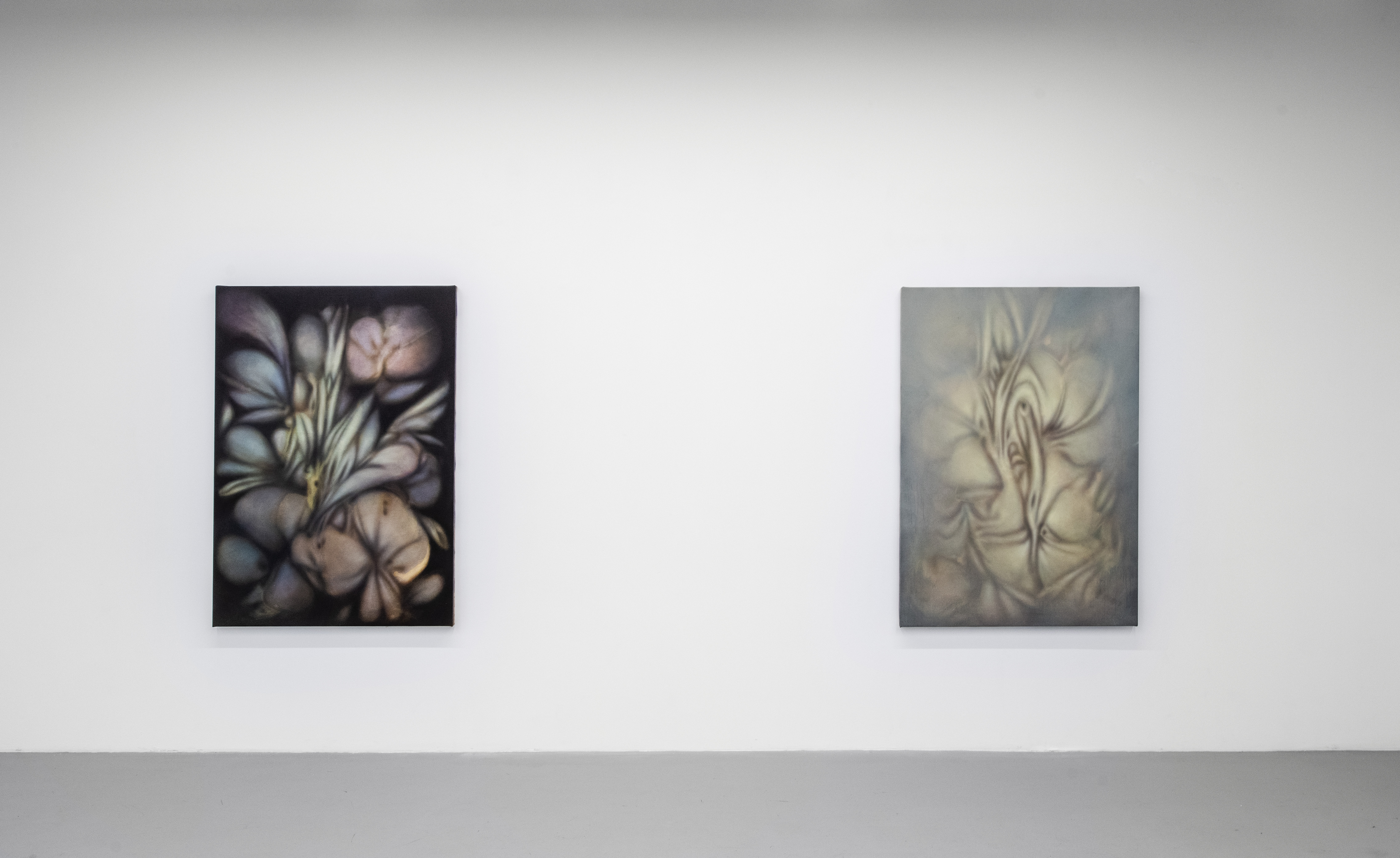
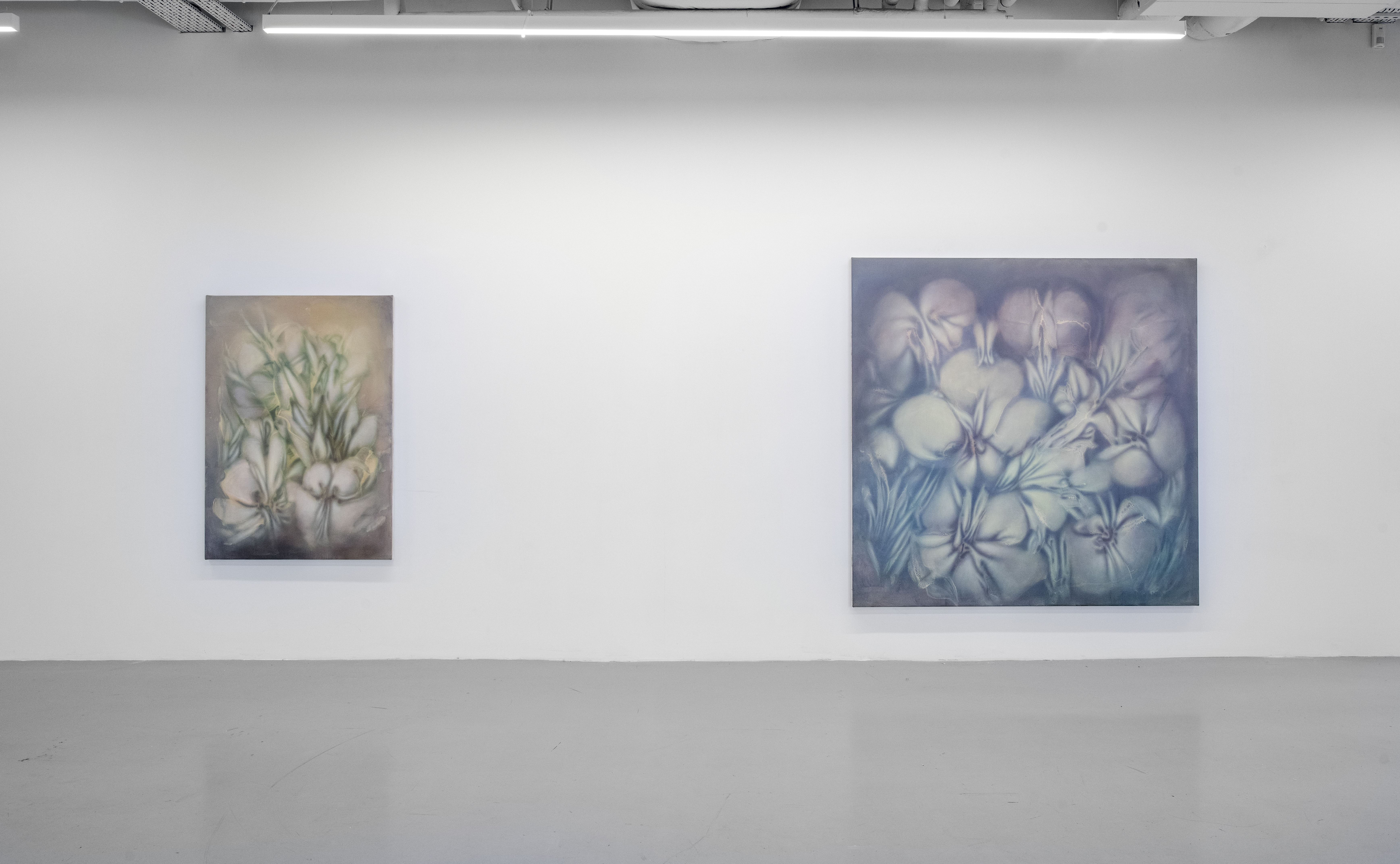
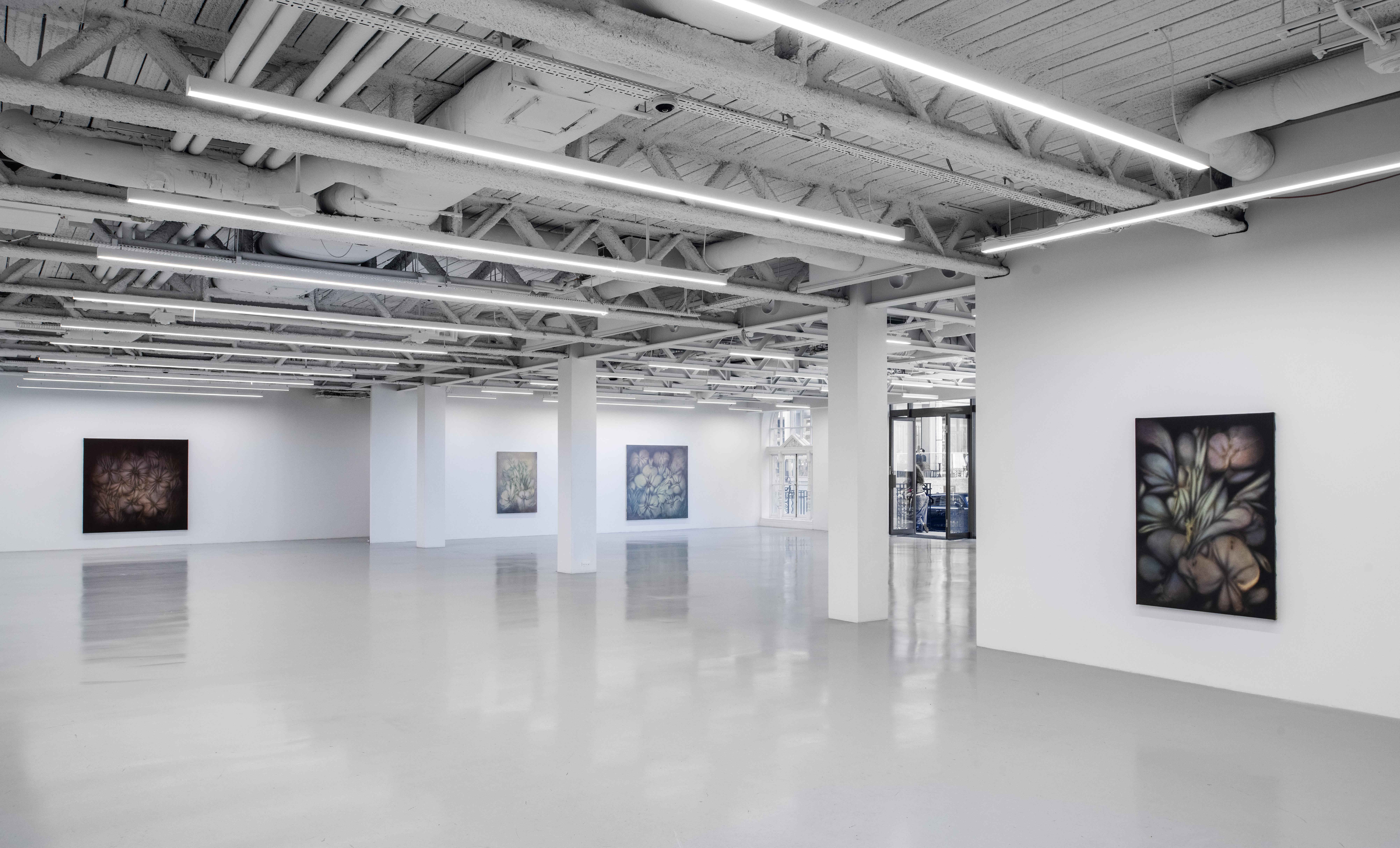
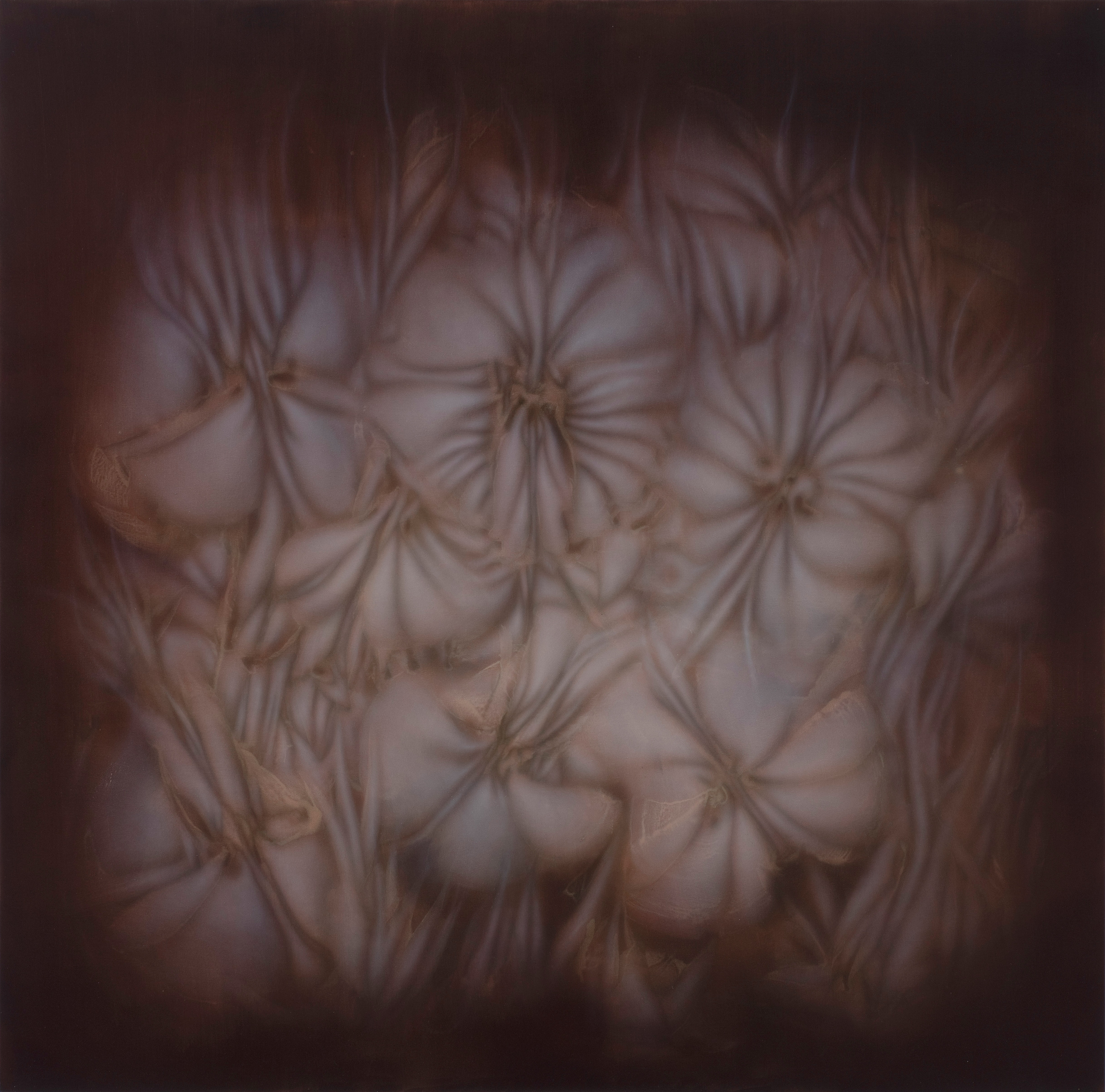
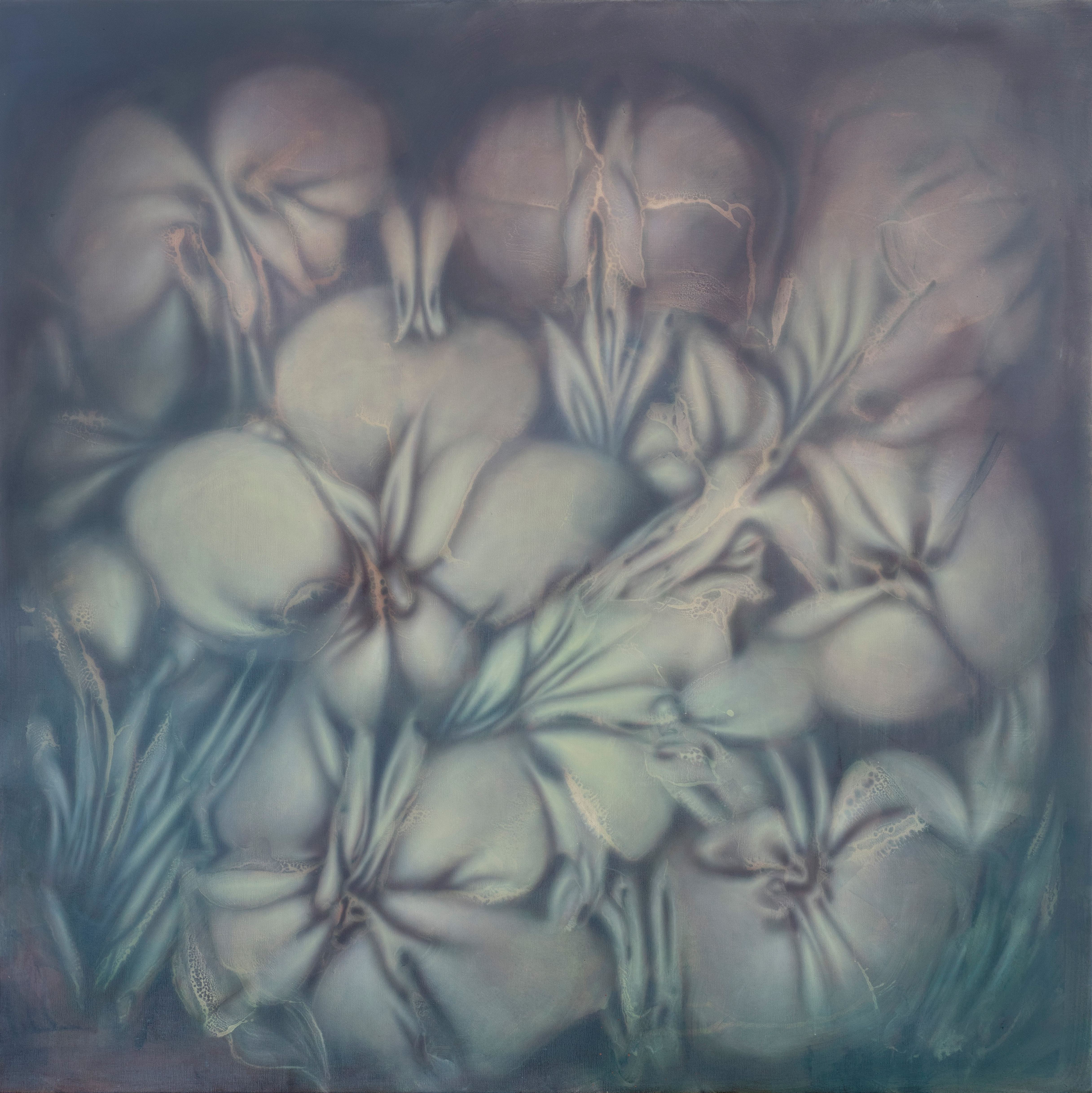
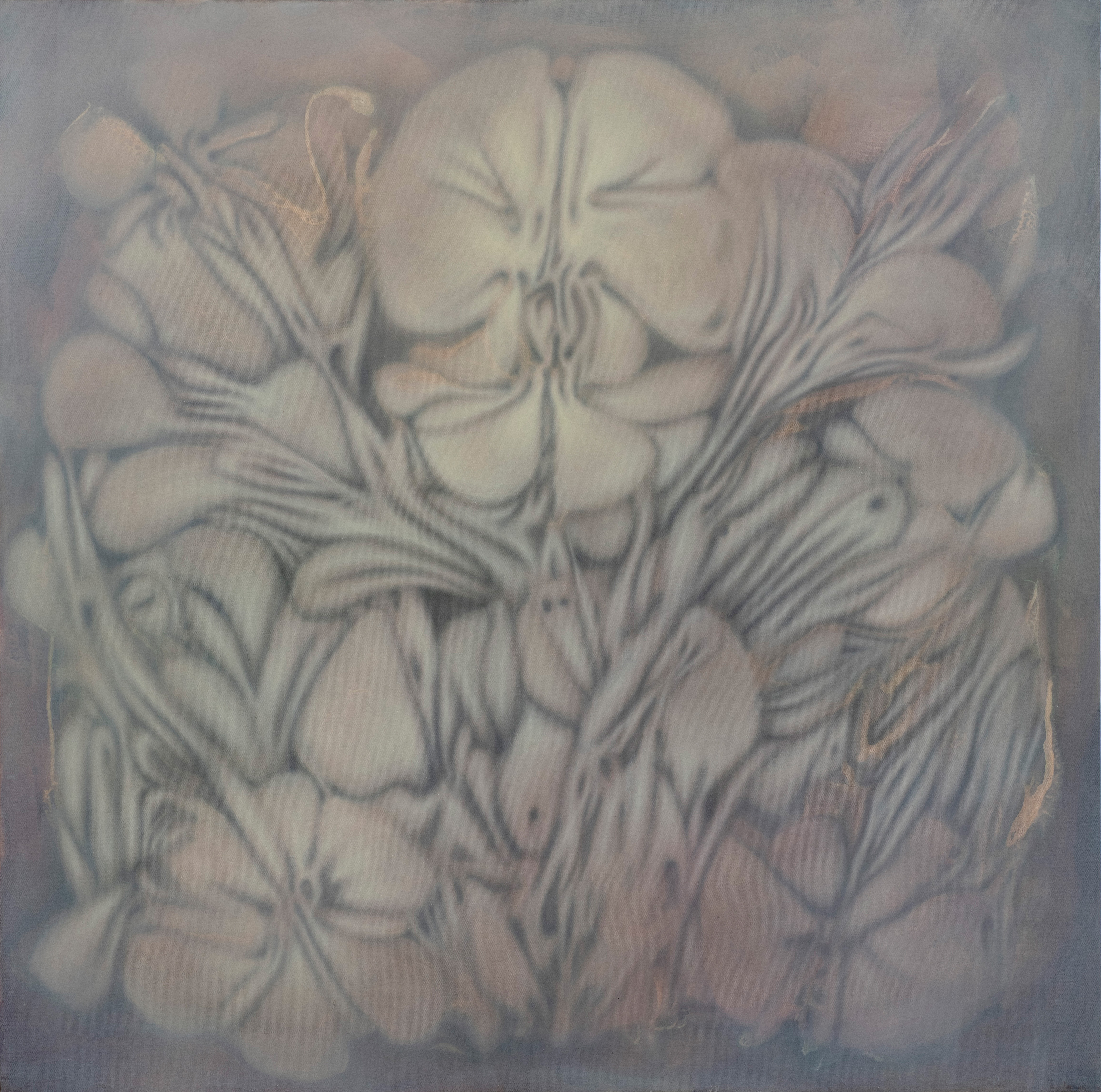
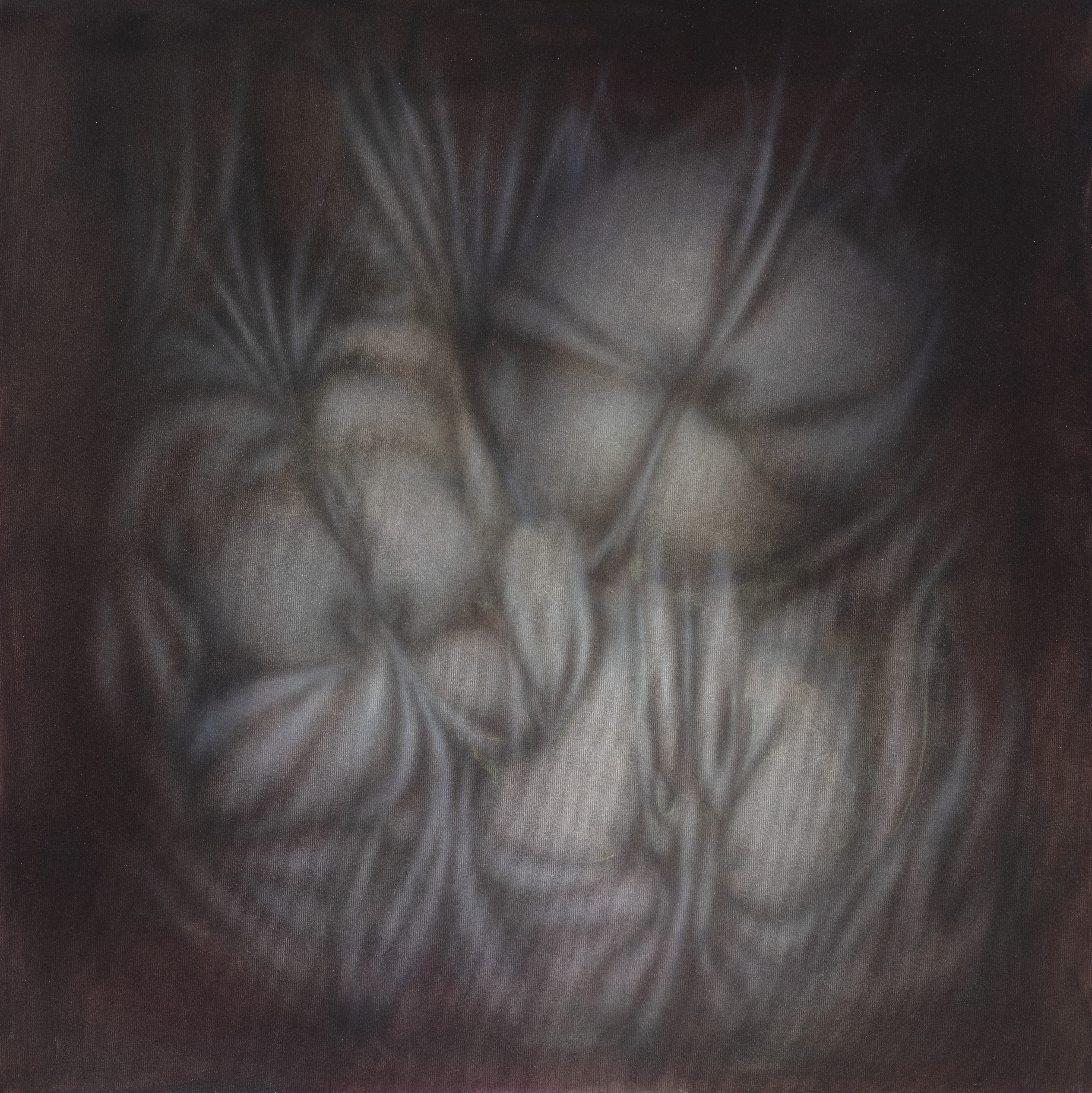
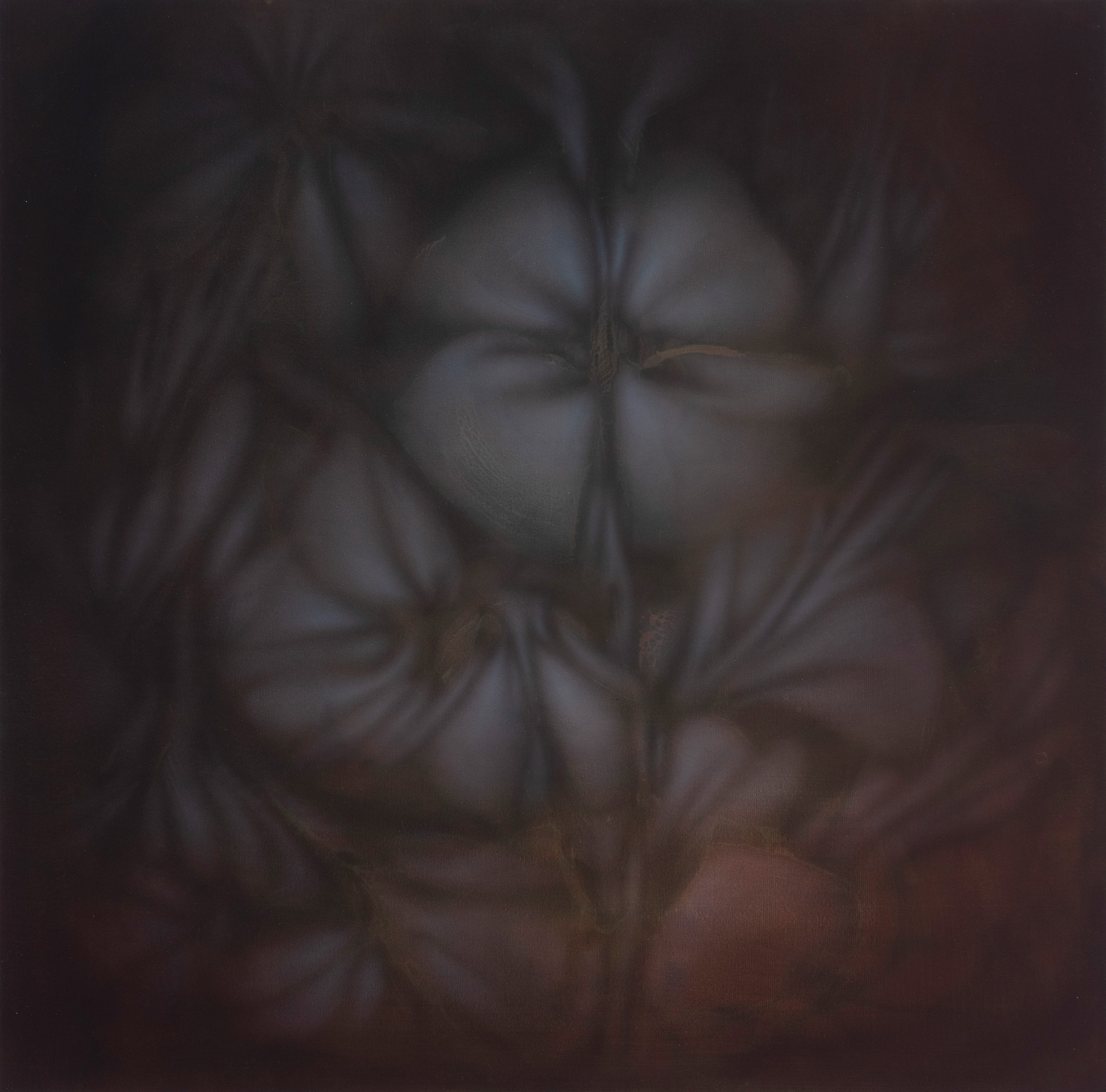
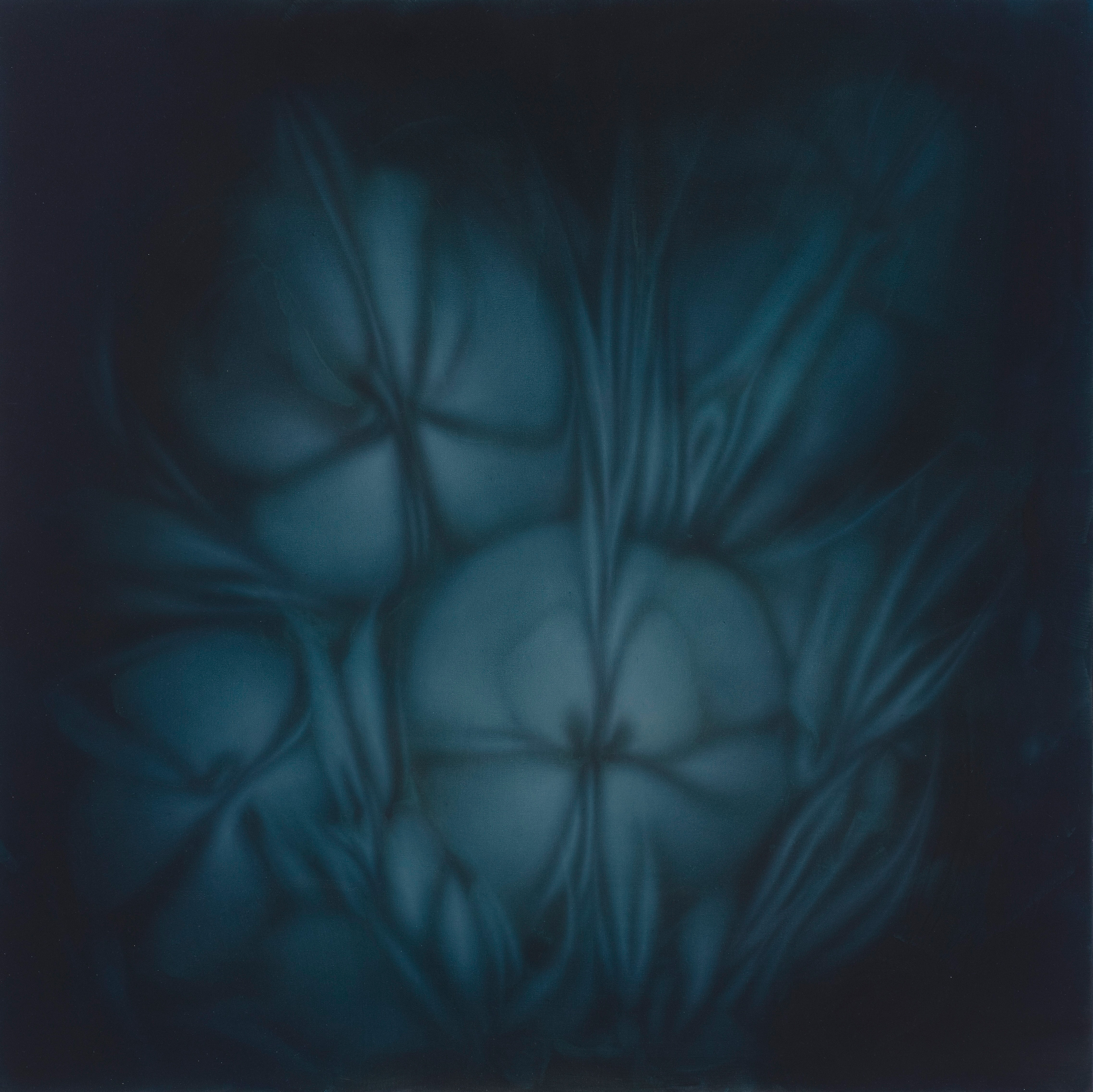
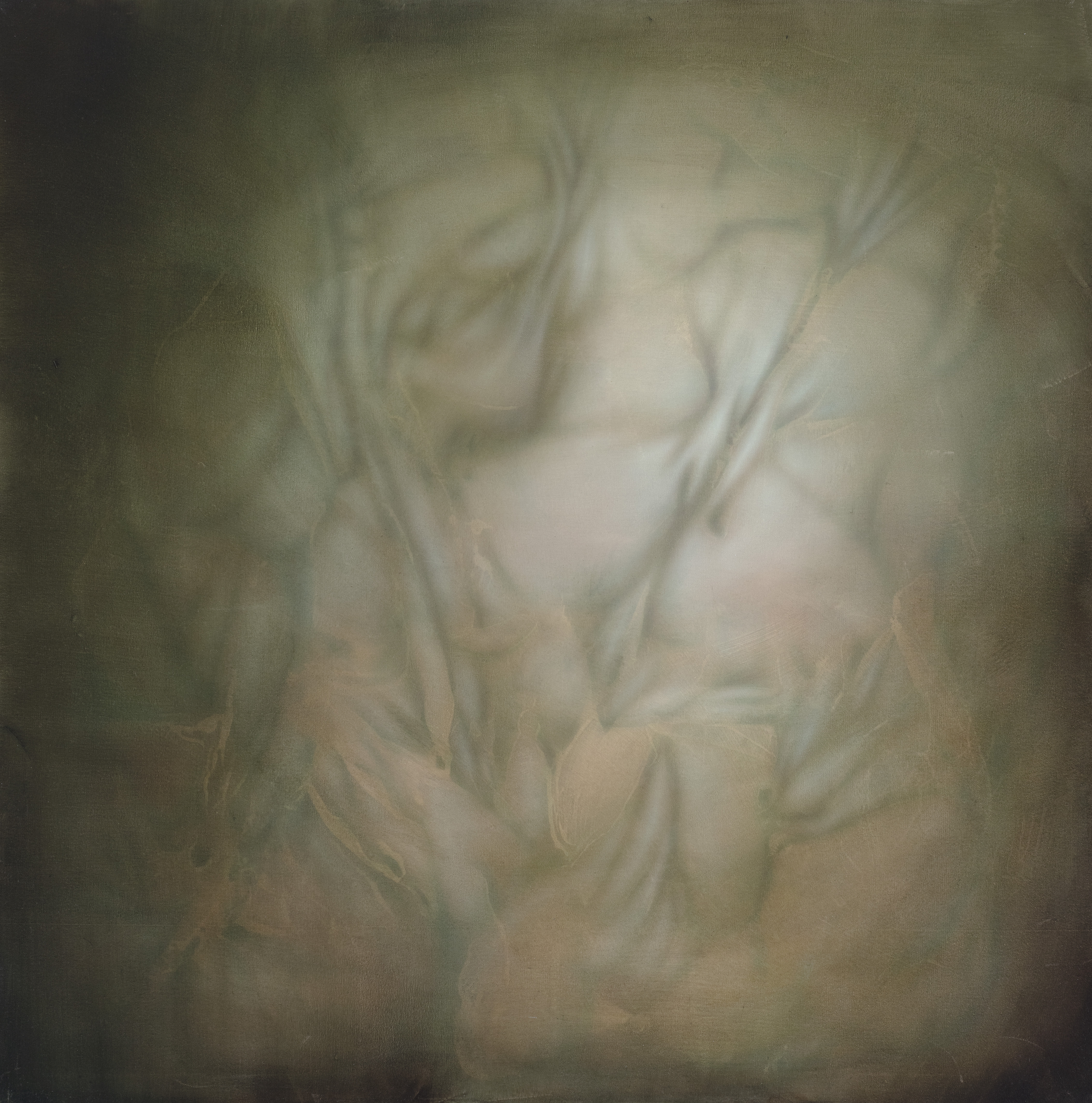
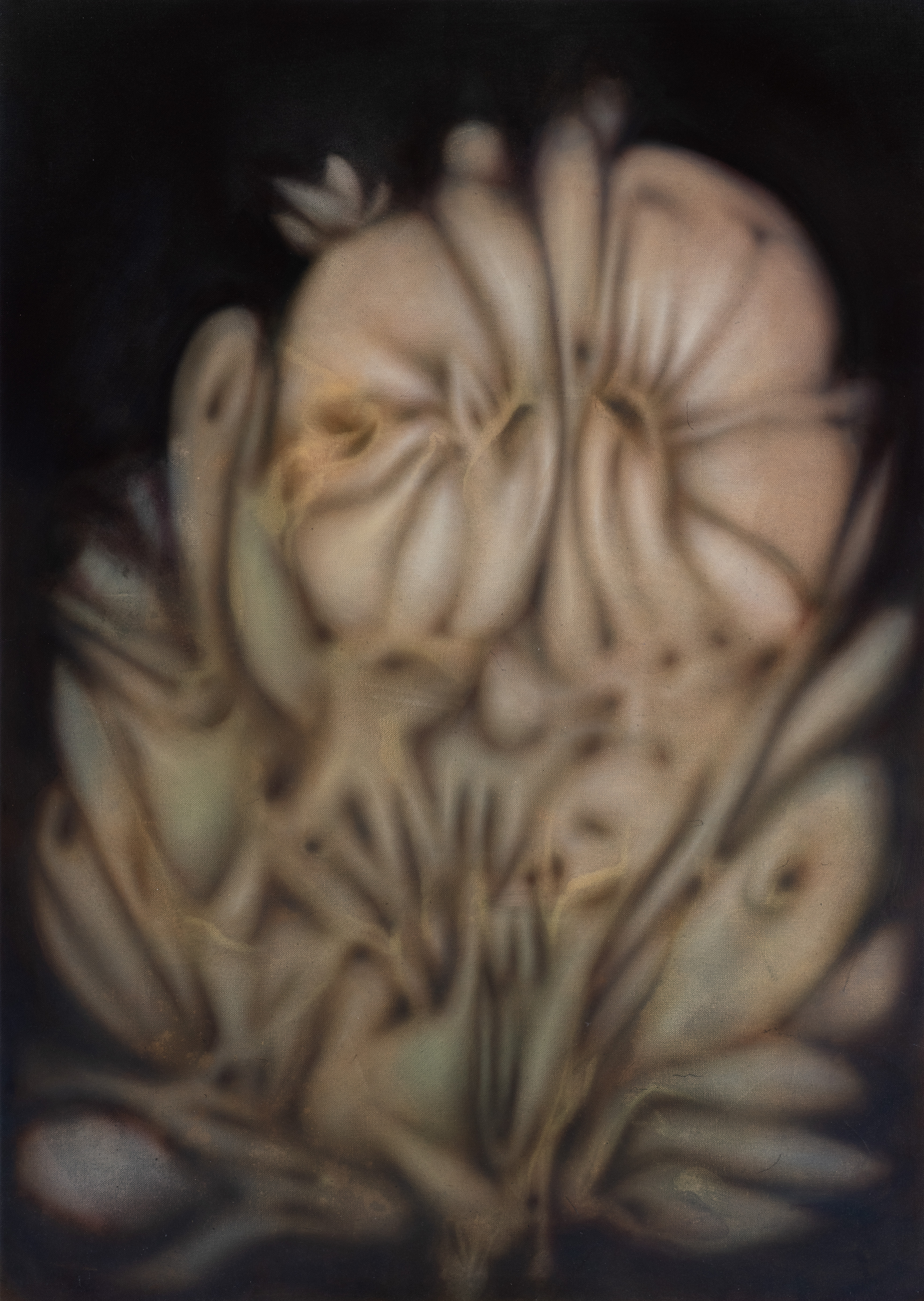
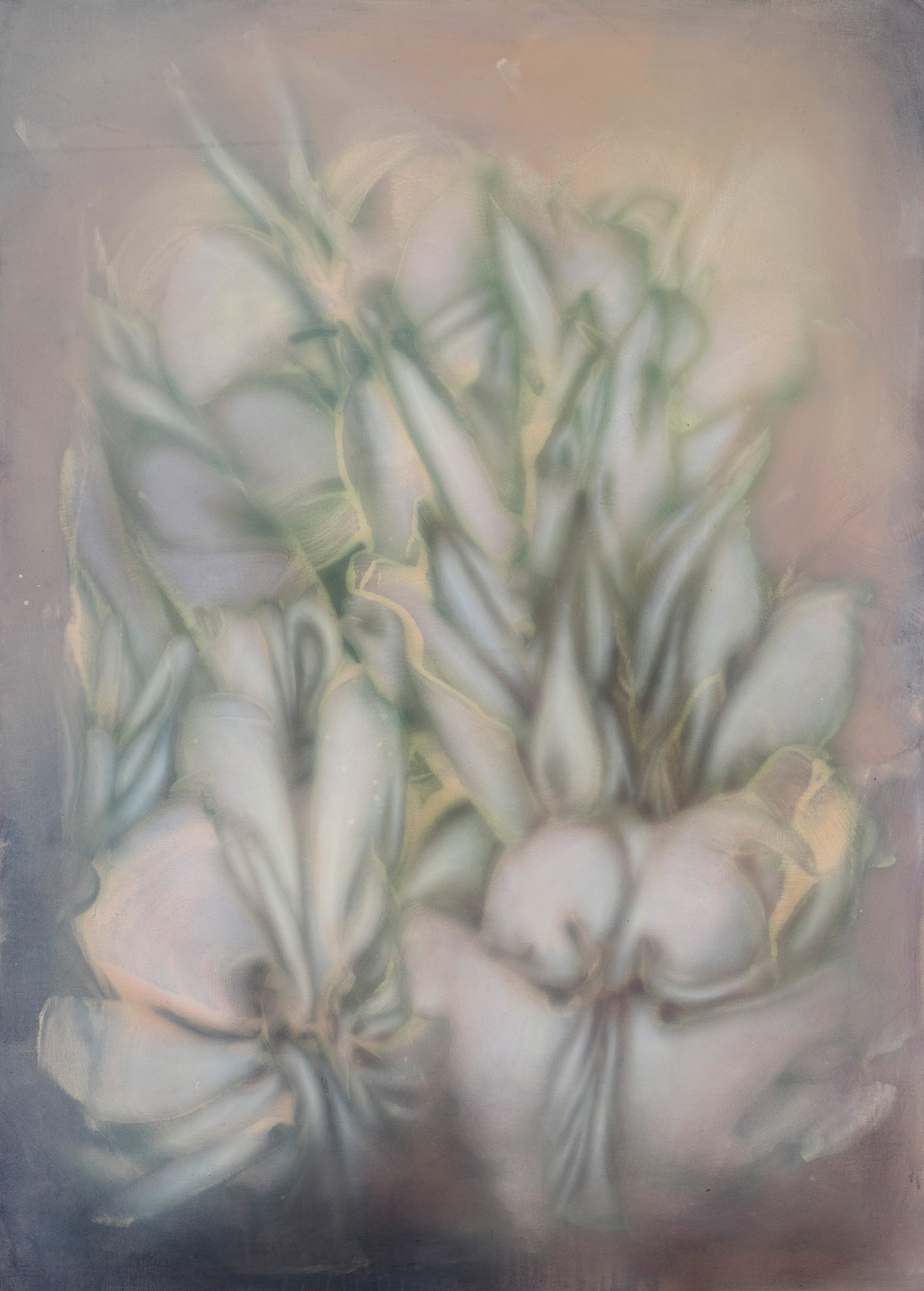
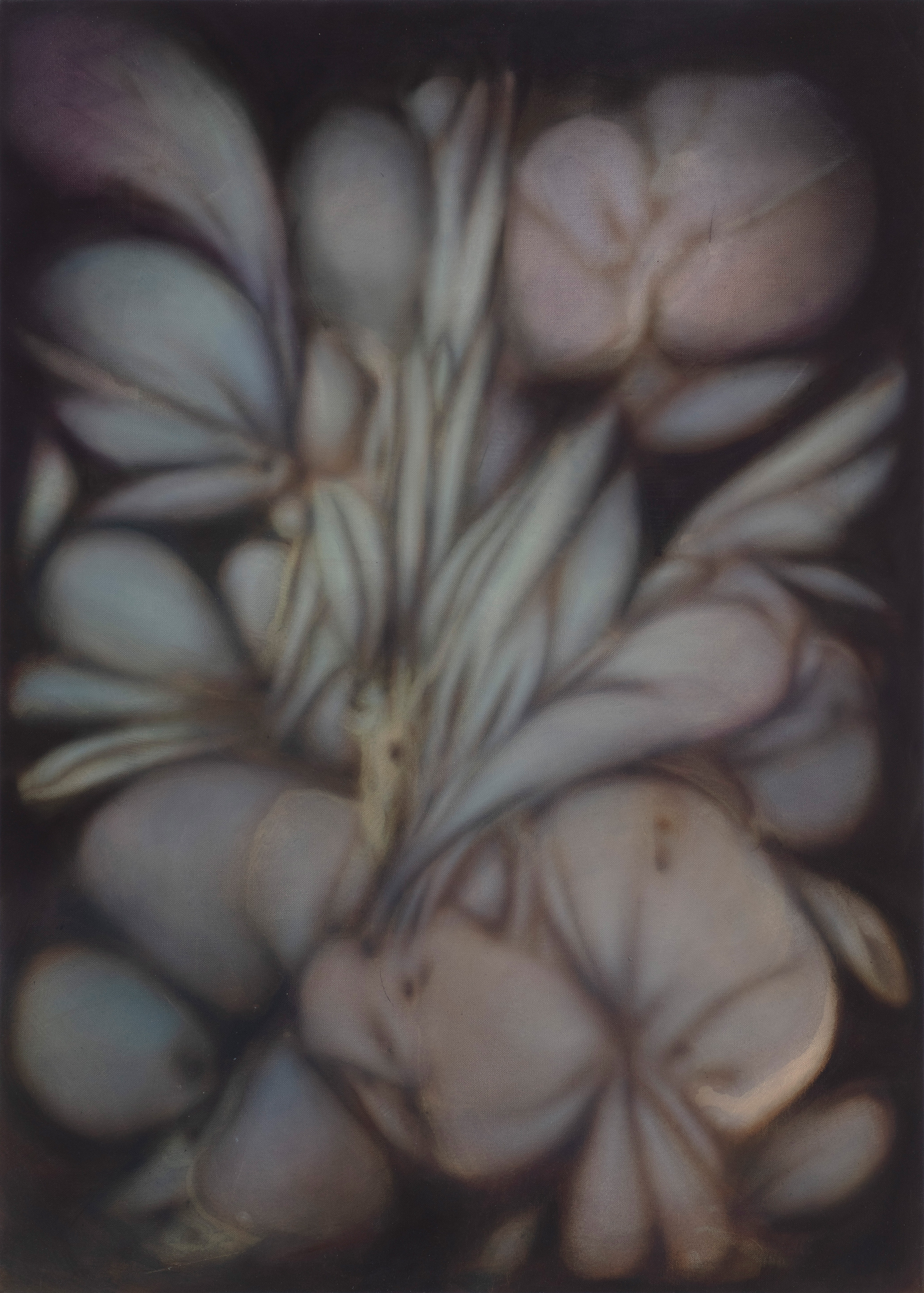
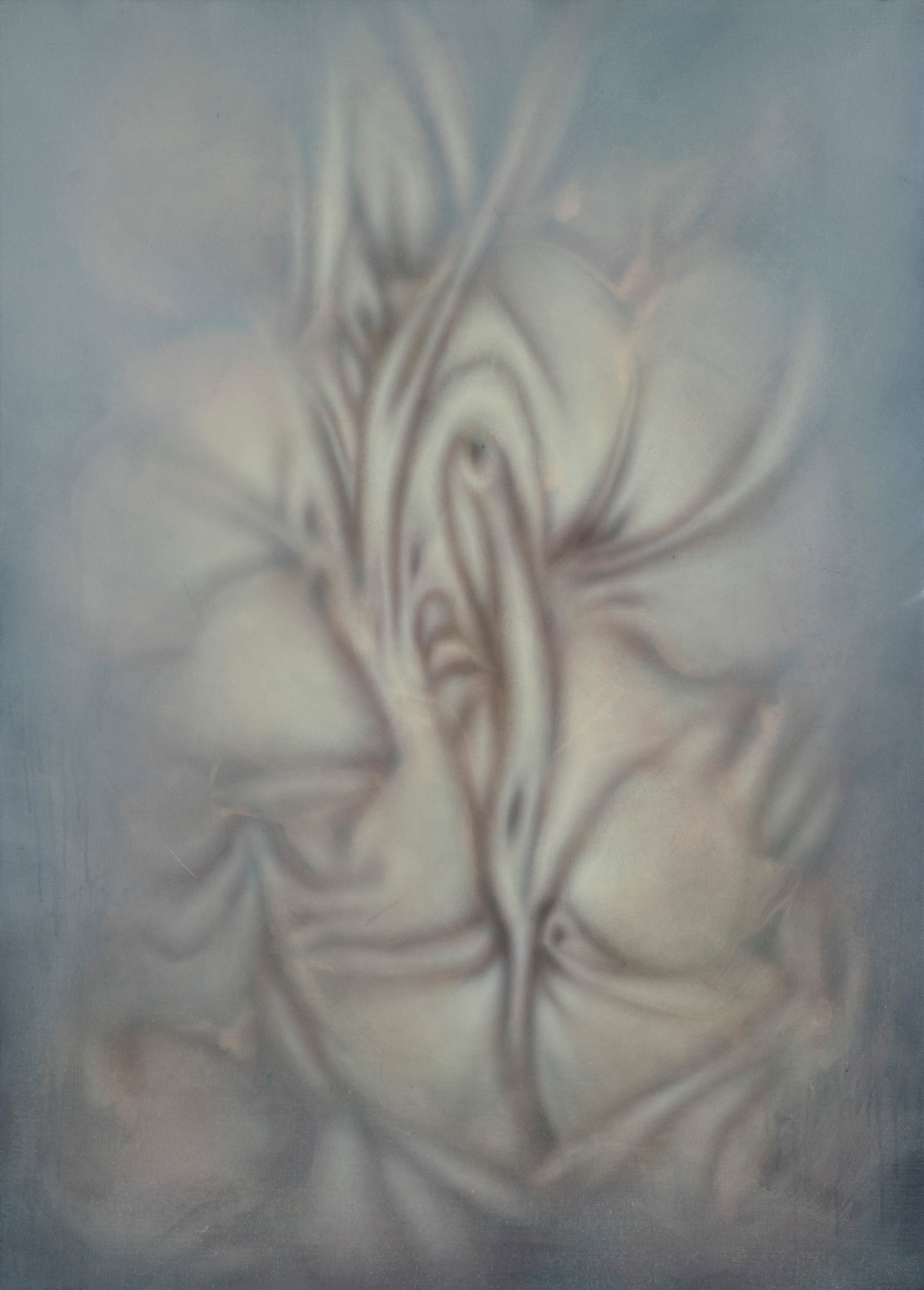
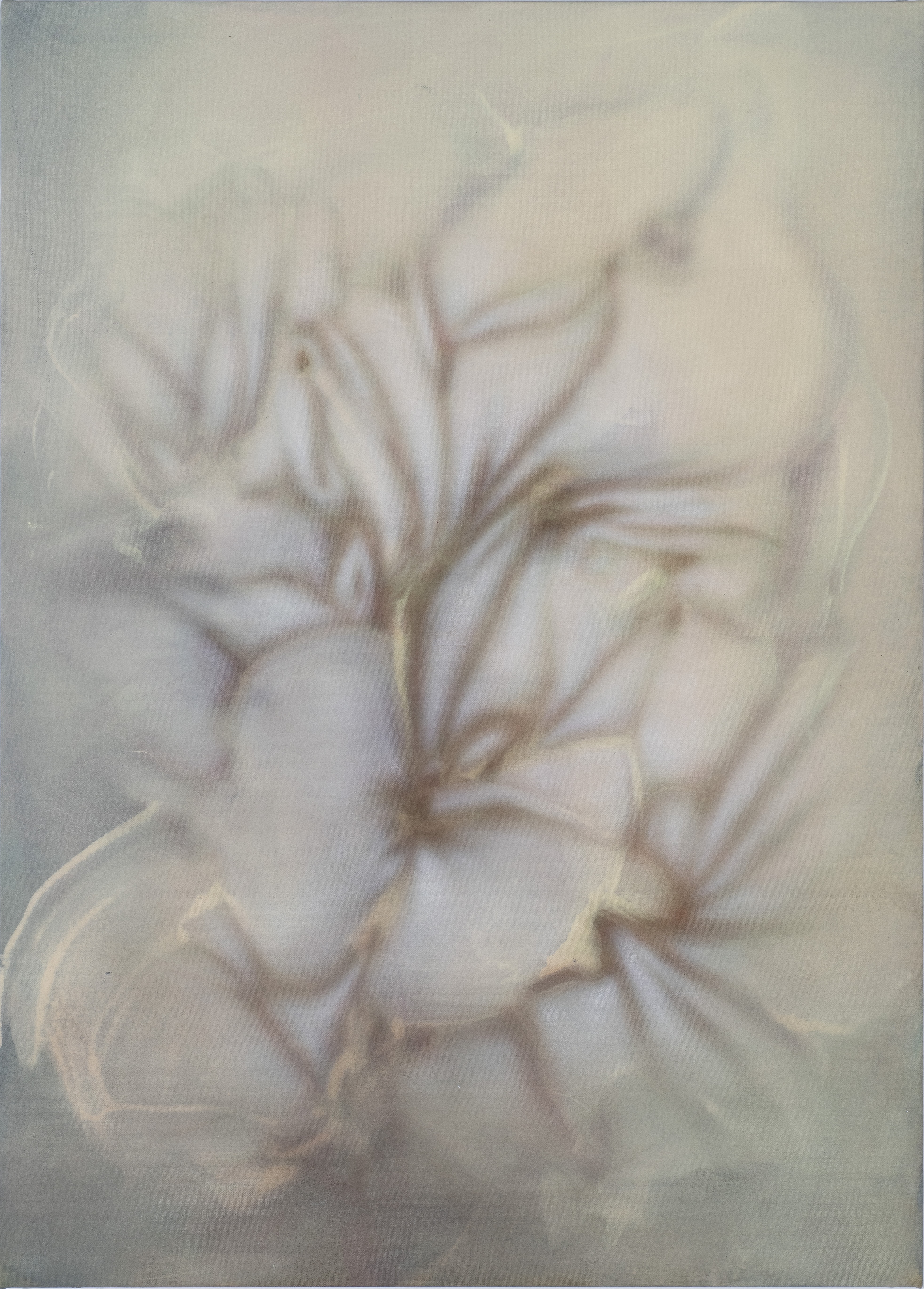
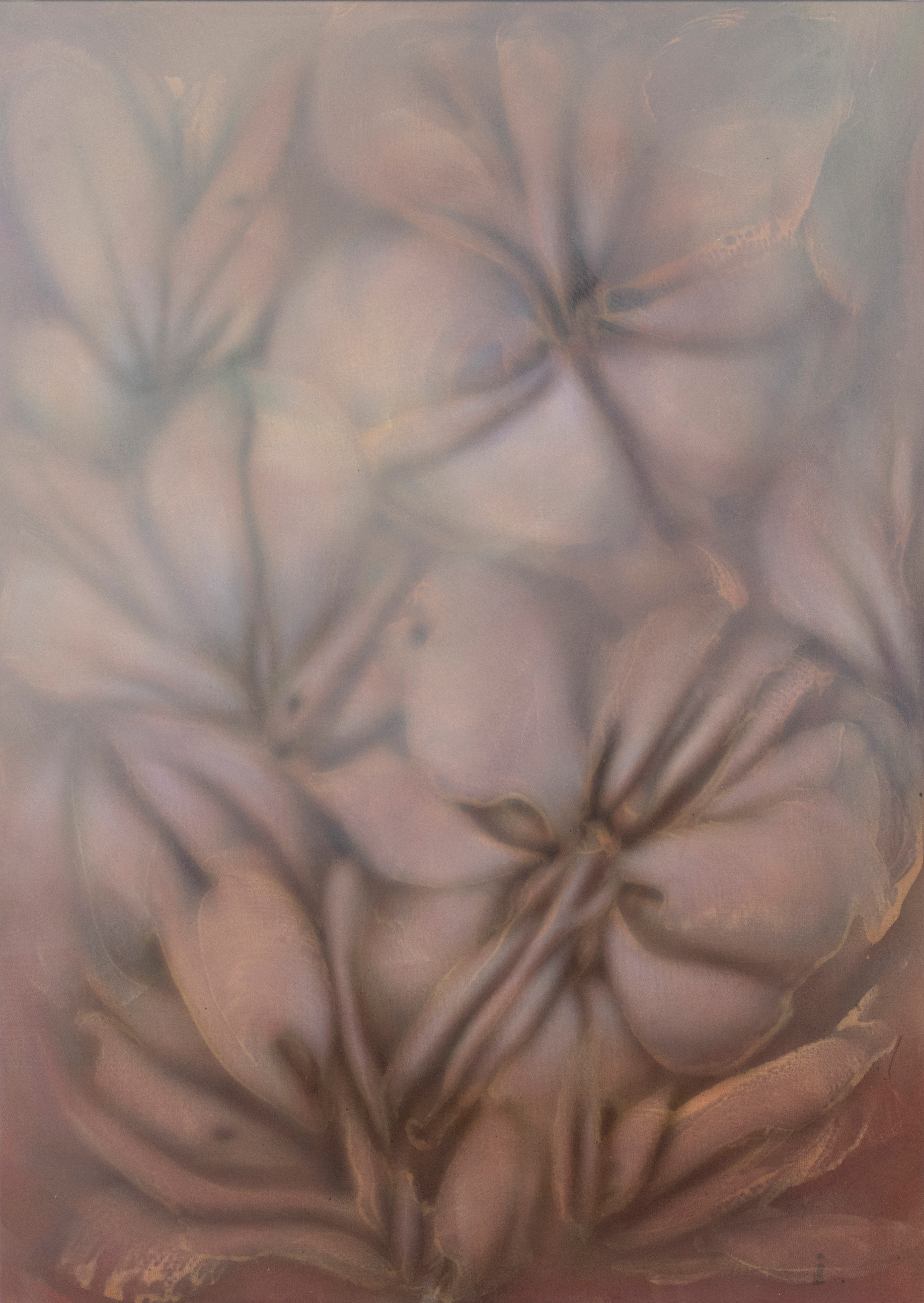
same act of translation. Creased surfaces suggest petals, bedsheets, the chambers of a heart.The logic is that of
nature itself: structural, repetitive, without beginning or end. Al Nayyar has spoken of her early encounter with
Cambrian-era sandstone formations in Jordan as a turning point, the moment she understood that movement,
frozen in matter, could be read as a kind of script. Her work since has been an attempt to write in that language.
For her most recent body of work, developed between the deserts of Jordan and the mountains of Lebanon, Al
Nayyar investigates the emergence of archetypal forms within nature. Rather than approaching painting as an act of
representation, she understands it as a process of witnessing, tracing the moment at which image, movement, and
matter begin to coalesce. Working through layers of mineral grounds, pigment, airbrush, and oil glazes, she
cultivates surfaces in which forms are allowed to emerge gradually through a dialogue between intuition, material
behaviour, and attentive observation.
Rock formations remain a constant companion throughout Al Nayyar's practice. She approaches rock as a chamber
of memory, a living archive of the natural world that absorbs and preserves frequencies of colour, form, movement,
and time. For Al Nayyar, rock is not inert matter but a vessel of accumulated intelligence, carrying traces of ancient
processes that continue to resonate in the present. In this sense, rock and flower are intimately connected: if the
flower embodies a moment of emergence, the rock holds the memory of its first appearance.
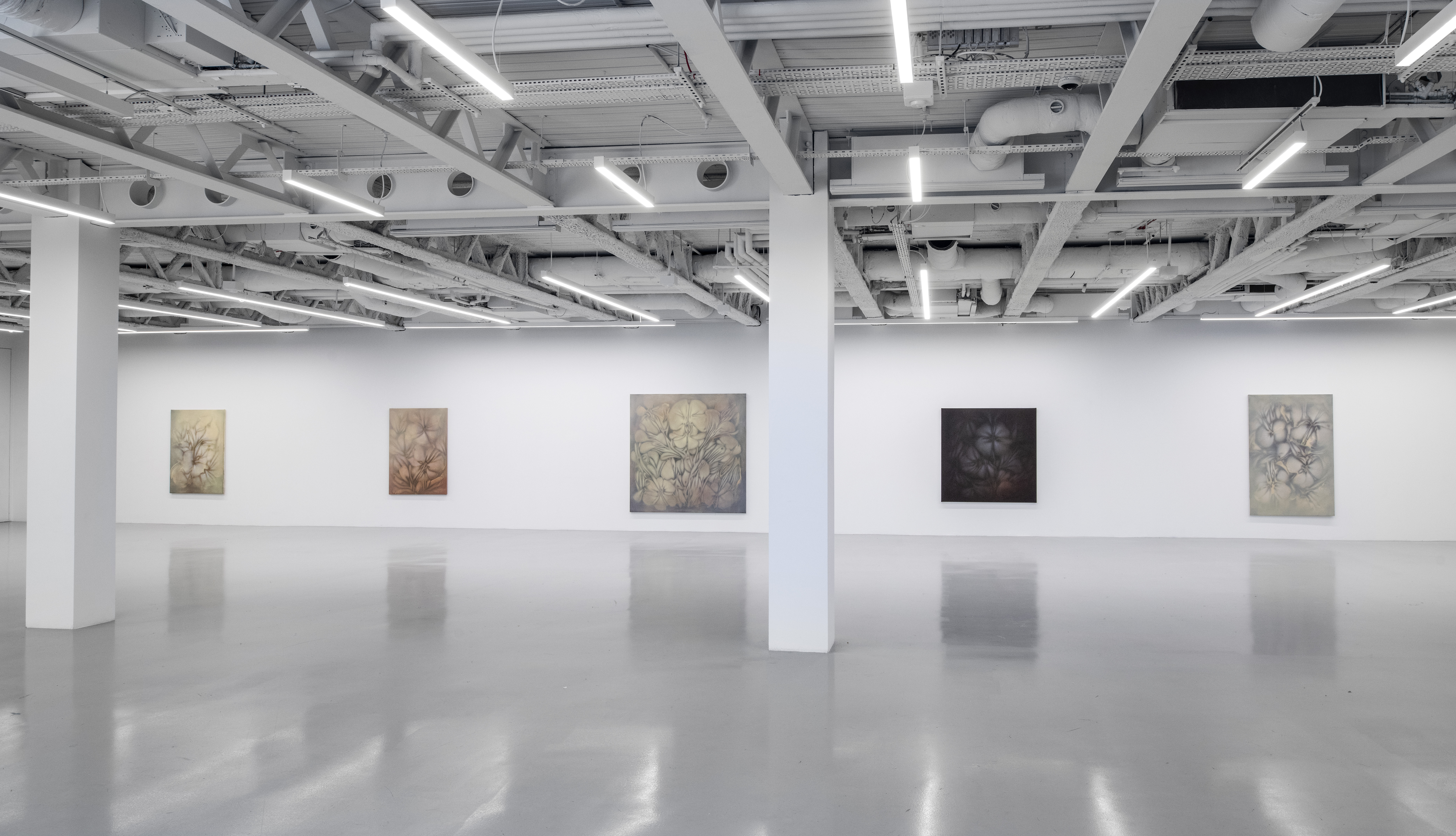
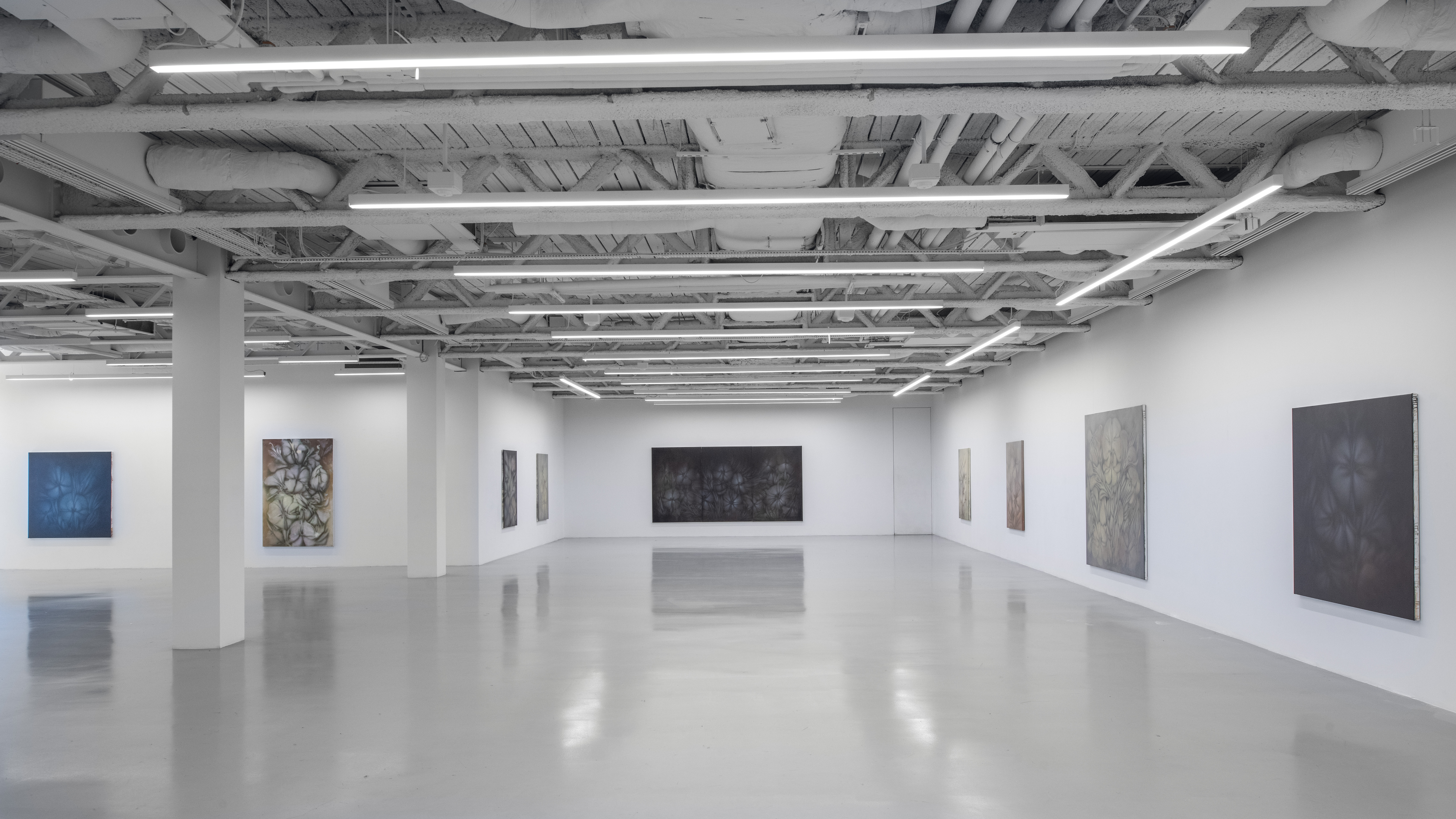
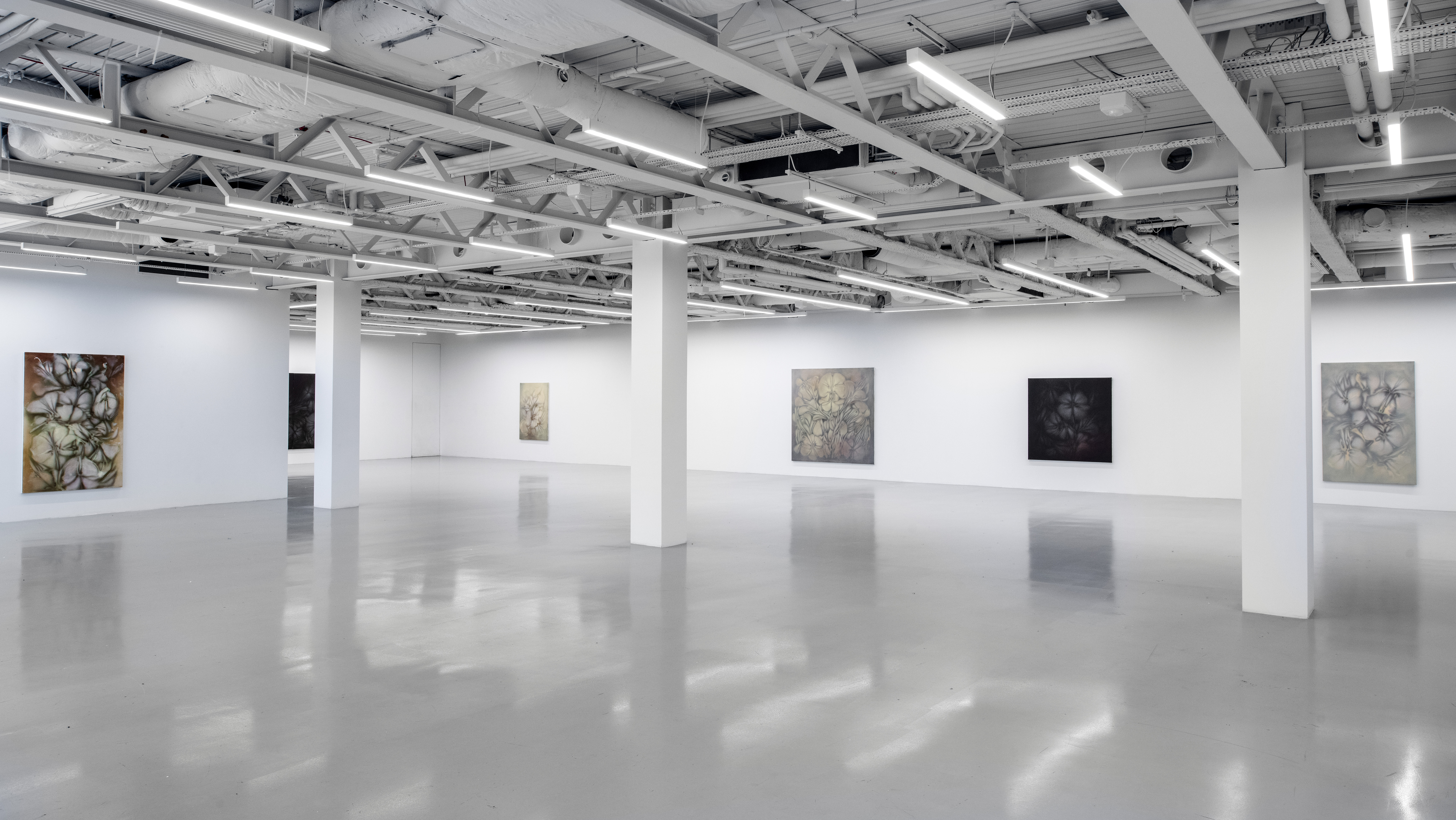
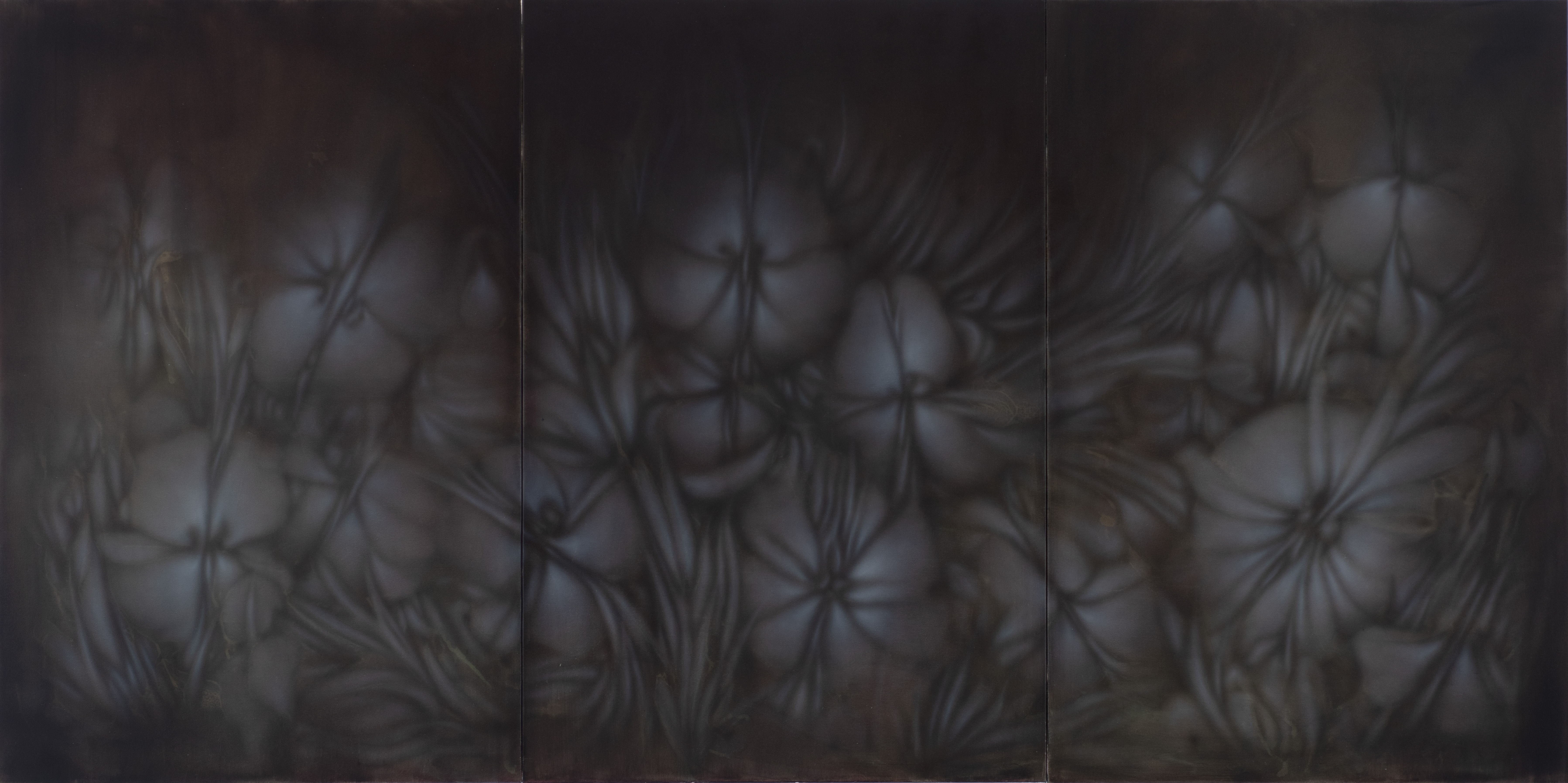
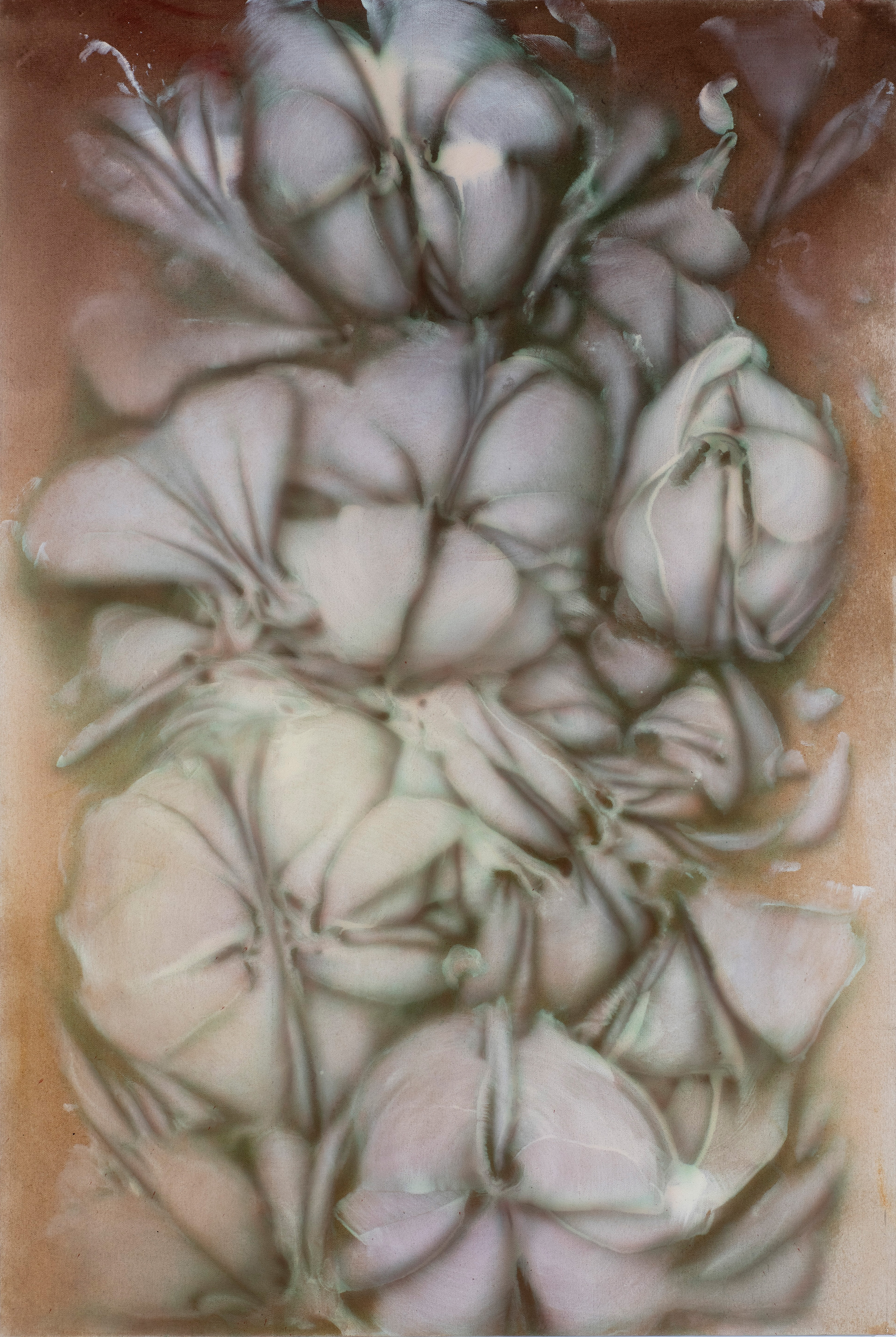
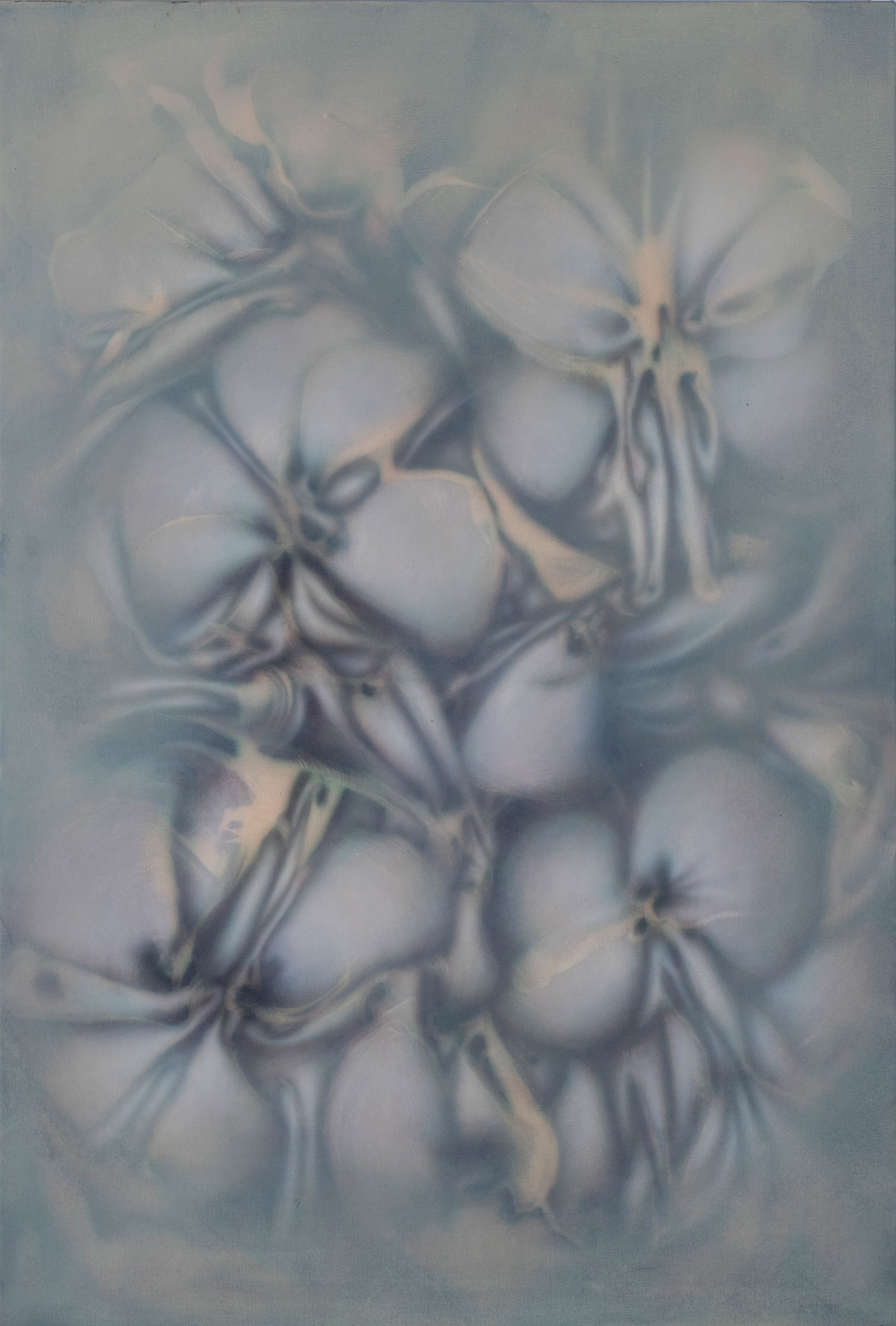
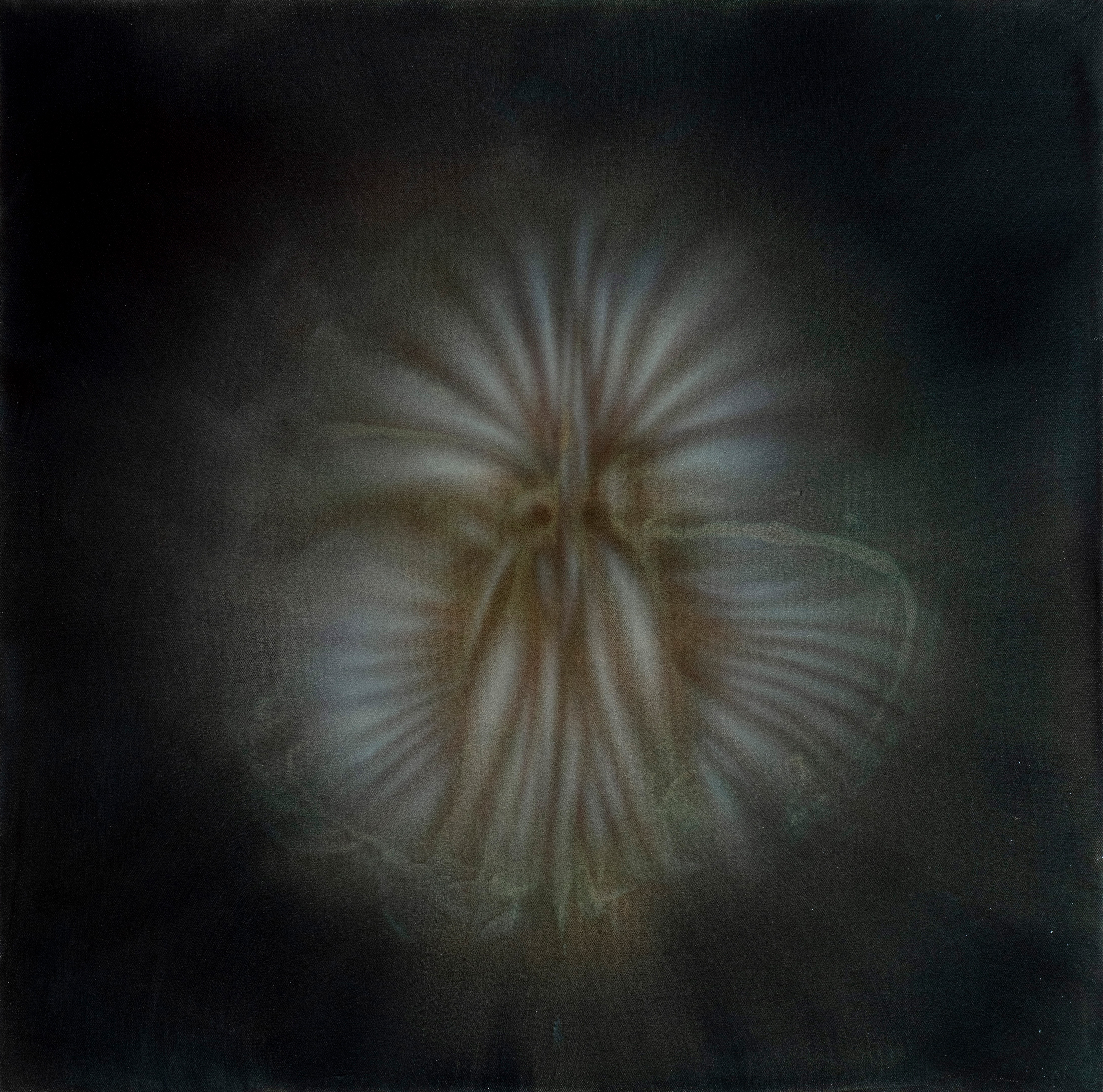
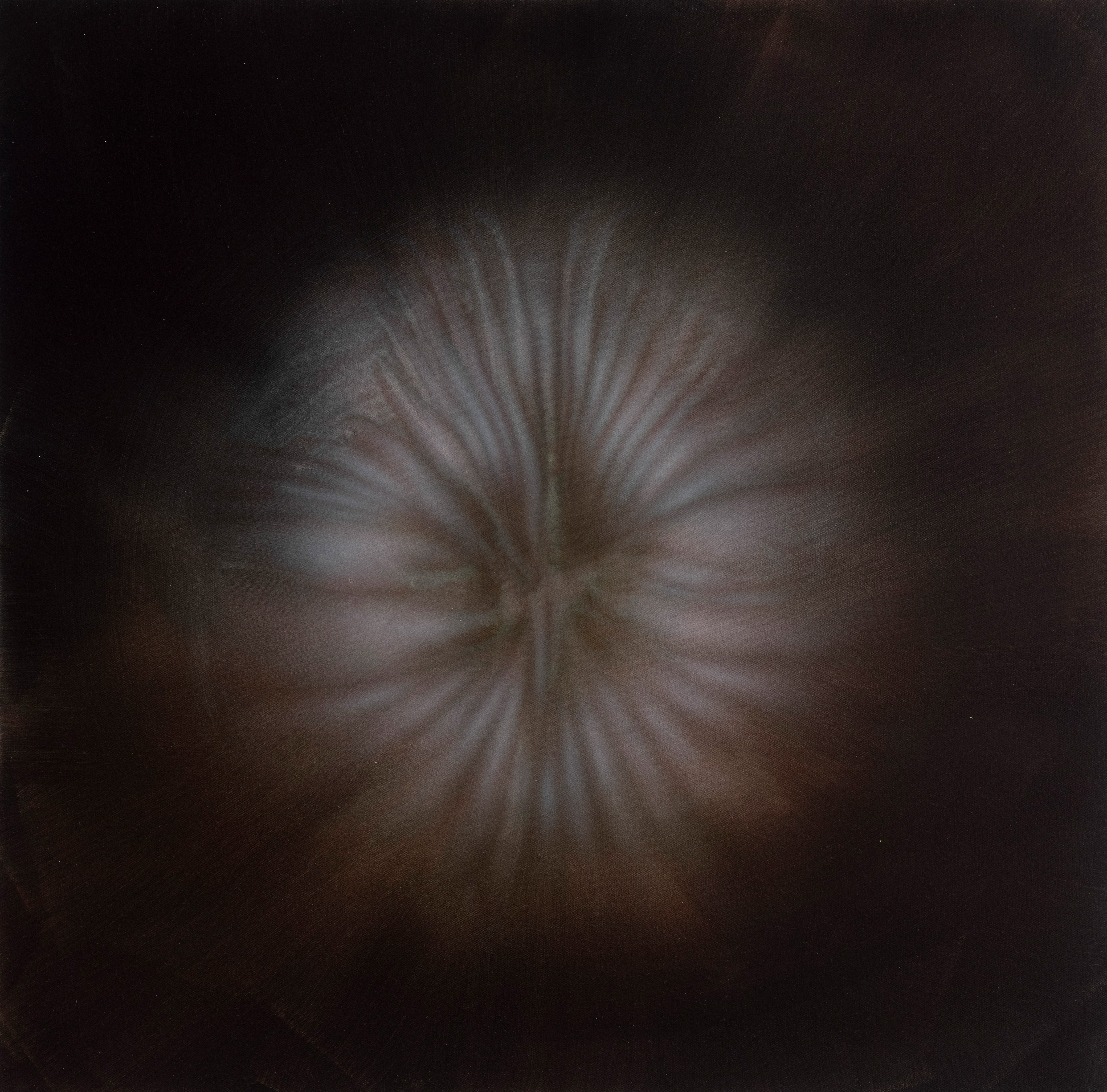
The resulting series spans canvases of varying scale and palette, from warm rose and amber grounds to near-total
darkness from which single forms emerge in the manner of an x-ray or a fossil. Across all of them, the mark-making
is both rigorous and unguarded. Al Nayyar has described her aim as keeping thought out of the process altogether:
"I try as much as I can to avoid thinking during the process, because I want the feeling to come out as pure as possi-
ble." The paintings function accordingly, as recordings rather than representations, documents of a body in motion
rather than images of a subject.
Miramar Al Nayyar
This summer, Saatchi Yates presents Iraqi artist Miramar Al Nayyar in her debut solo show in the UK. Al Nayyar,
28, is self-taught and divides her time between Amman and Abu Dhabi. Her practice has always centred on move-
ment as an elemental forming force: the idea that everything in nature, every desert landscape, every rock face, every
living body, was sculpted by movement over time. Her canvases are attempts to record that same process from the
inside. She works across her paintings with her arms and body as a tool, in a semi-meditative state, building layers of
pigment through gesture and intuition until something tells her to stop.
Al Nayyar structures her time between two kinds of days: one spent entirely in the studio, painting, the next spent
outside, in nature. "It all starts with nature and all ends with nature," she has said. Her canvases carry the residue of
both, the body moving through open landscape and the body moving across canvas becoming, in her hands, the
same act of translation. Creased surfaces suggest petals, bedsheets, the chambers of a heart.The logic is that of
nature itself: structural, repetitive, without beginning or end. Al Nayyar has spoken of her early encounter with
Cambrian-era sandstone formations in Jordan as a turning point, the moment she understood that movement,
frozen in matter, could be read as a kind of script. Her work since has been an attempt to write in that language.
For her most recent body of work, developed between the deserts of Jordan and the mountains of Lebanon, Al
Nayyar investigates the emergence of archetypal forms within nature. Rather than approaching painting as an act of
representation, she understands it as a process of witnessing, tracing the moment at which image, movement, and
matter begin to coalesce. Working through layers of mineral grounds, pigment, airbrush, and oil glazes, she
cultivates surfaces in which forms are allowed to emerge gradually through a dialogue between intuition, material
behaviour, and attentive observation.
Rock formations remain a constant companion throughout Al Nayyar's practice. She approaches rock as a chamber
of memory, a living archive of the natural world that absorbs and preserves frequencies of colour, form, movement,
and time. For Al Nayyar, rock is not inert matter but a vessel of accumulated intelligence, carrying traces of ancient
processes that continue to resonate in the present. In this sense, rock and flower are intimately connected: if the
flower embodies a moment of emergence, the rock holds the memory of its first appearance.
The resulting series spans canvases of varying scale and palette, from warm rose and amber grounds to near-total
darkness from which single forms emerge in the manner of an x-ray or a fossil. Across all of them, the mark-making
is both rigorous and unguarded. Al Nayyar has described her aim as keeping thought out of the process altogether:
"I try as much as I can to avoid thinking during the process, because I want the feeling to come out as pure as possi-
ble." The paintings function accordingly, as recordings rather than representations, documents of a body in motion
rather than images of a subject.